Keeping your Windows 11 PC clean and organized is essential for maintaining strong performance, freeing up valuable storage space, and ensuring your system runs smoothly over time. Many users install numerous applications for work, entertainment, gaming, or productivity, but often forget to remove software they no longer use. Over time, these unused applications can consume storage, slow down system performance, create unnecessary background processes, and even introduce security vulnerabilities if outdated software remains installed.
Uninstalling unwanted programs on Windows 11 is one of the easiest ways to optimize your computer. Whether you want to remove large desktop software, Microsoft Store apps, built-in Windows applications, or stubborn programs that refuse to uninstall, Windows 11 provides several methods to accomplish this task.

In this comprehensive guide, you will learn multiple ways to uninstall programs on Windows 11, from beginner-friendly methods using Settings to advanced options like PowerShell and third-party uninstallers. By the end, you will have all the knowledge needed to keep your PC clutter-free and running efficiently.
Understanding Different Types of Programs in Windows 11
Before uninstalling software, it helps to understand the different categories of programs installed on your computer.
Desktop Programs (Win32 Applications)
These are traditional software programs installed through executable (.exe) or installer (.msi) files. Examples include:
- Adobe Photoshop
- Google Chrome
- VLC Media Player
- Microsoft Office
- Steam
These applications often have dedicated uninstallers and may appear in both Settings and Control Panel.
Microsoft Store Apps
These apps are downloaded directly from the Microsoft Store and include:
- Netflix
- Spotify
- Xbox
- Calculator
- Paint
Store apps are usually easier to uninstall and leave fewer leftover files.
Built-in Windows Apps
Windows 11 comes with preinstalled apps such as:
- Photos
- Weather
- Xbox Game Bar
- Cortana

Some can be removed easily, while others may require PowerShell commands.
Why You Might Want to Uninstall a Program?
Over time, you may notice that your computer is running slower, storage space is filling up, or you’re just seeing too many apps you never use. These are signs that it’s a good time to uninstall some programs.
One of the biggest reasons to remove programs is to free up storage space. Some apps, especially games or creative software, can take up several gigabytes. If your hard drive is nearly full, your PC may slow down or even stop working properly.
Another reason is to improve your computer’s performance. Some apps run in the background even when you’re not using them, using up your system’s memory and processor power. Getting rid of these can help your computer run faster and smoother.
You might also want to uninstall programs that you no longer use or never meant to install in the first place. Some come pre-installed on new computers (often called “bloatware”), while others sneak in with software bundles.
Sometimes, uninstalling and reinstalling a program is the best way to fix errors or bugs. If an app isn’t working right, removing and reinstalling it can solve the issue.
Before we dive into the steps, let’s quickly look at some common reasons you might want to uninstall a program:
- It’s taking up too much space.
- You don’t use it anymore.
- It came pre-installed and you don’t need it.
- It’s slowing down your computer.
- You want to fix a problem by reinstalling it.
In short, uninstalling programs is a simple and effective way to keep your Windows 11 PC clean, fast, and organized.
Method 1: Uninstall from the Start Menu
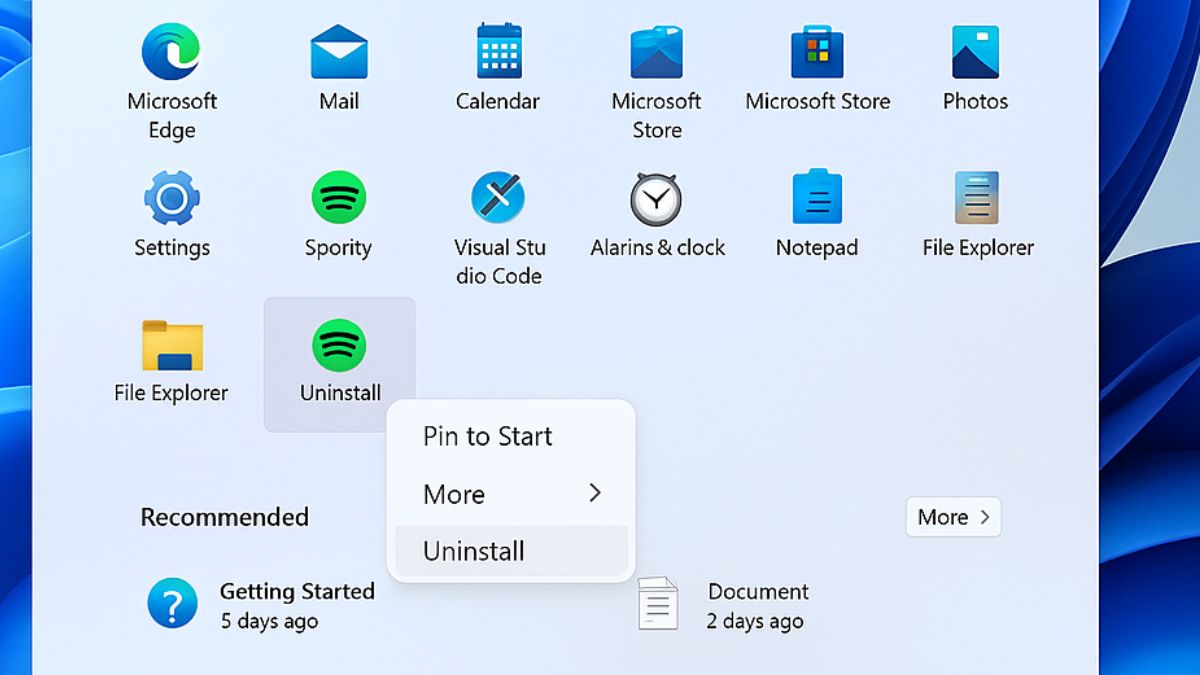
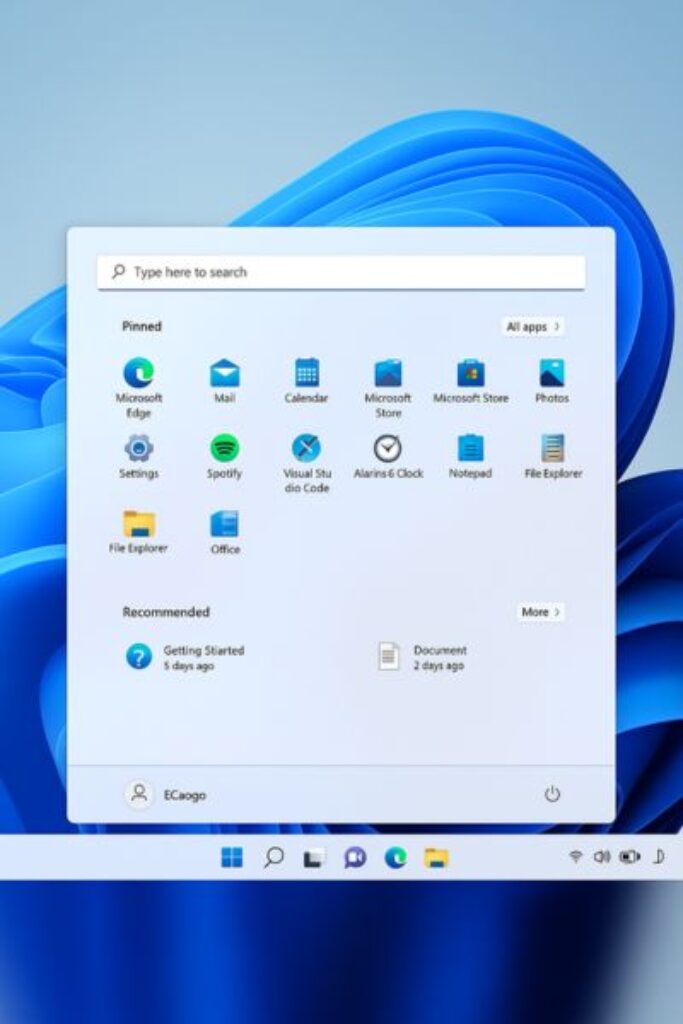
The Start Menu is one of the quickest ways to uninstall apps in Windows 11. It’s very easy to use, especially for apps that you installed from the Microsoft Store or smaller programs that don’t require a lot of setup to remove.
- Click the Start Menu
You’ll find the Start button (Windows icon) in the center of the taskbar at the bottom of your screen. Click it to open the Start Menu. - Find the Program You Want to Remove
You can either scroll through the list of installed apps or simply type the name of the app in the search bar at the top of the Start Menu. - Right-click on the App
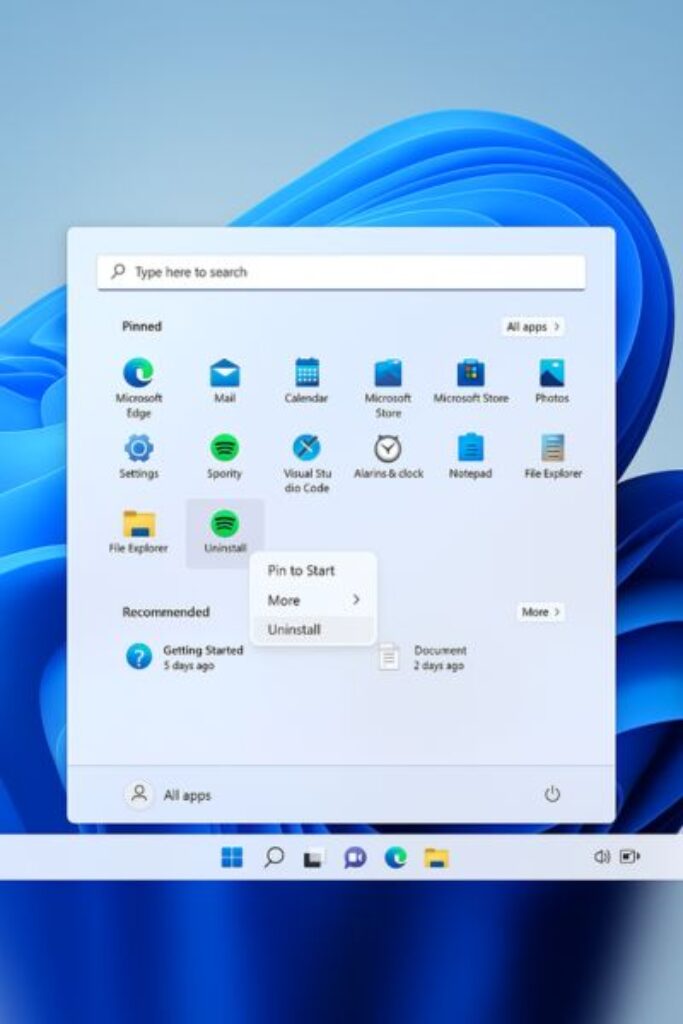
Once you find the app you want to uninstall, right-click on it. A small menu will appear. - Click “Uninstall”
From the menu, click on the option that says “Uninstall.” - Confirm the Uninstall
Windows may show a confirmation box asking if you’re sure you want to remove the program. Click “Uninstall” again to continue. If it’s a larger program, it might open a separate uninstall window.
Method 2: Use the Settings App
This method is helpful if you want to remove multiple apps or check how much space each one takes.
Steps:
- Press Windows + I to open Settings.
- Go to “Apps” on the left-hand side.
- Click “Installed apps”.
- Scroll or search for the app you want to remove.
- Click the three-dot menu (⋮) next to the app.
- Choose “Uninstall” and confirm.
This method is great for managing many apps and checking storage use.
Method 3: Uninstall from the Control Panel (for older programs)
Some older desktop programs might not appear in the Settings app. For these, use the Control Panel.
Steps:
- Press Windows + R to open the Run box.
- Type
controland press Enter. - Click “Programs”, then “Programs and Features”.
- You’ll see a list of installed programs.
- Find and click the program you want to remove.
- Click the “Uninstall” button at the top.
- Follow any on-screen instructions to complete the uninstall.
This method is especially useful for traditional software like old games or tools.
Method 4: Use a Third-Party Uninstaller (Optional)
Sometimes, a program won’t uninstall properly. In such cases, you can use a trusted uninstaller app.
Popular Options:
- Revo Uninstaller
- IObit Uninstaller
- Geek Uninstaller
These tools can remove leftover files and registry entries.
⚠️ Note: Always download from the official website and avoid random download links.
Method 5: Use the Program’s Built-In Uninstaller
Many desktop applications include their own uninstall utility.
Steps
- Open File Explorer
- Navigate to:
- C:\Program Files
- C:\Program Files (x86)
- Find the software folder
- Look for:
- uninstall.exe
- unins000.exe
- Double-click the file
- Follow instructions
When This Helps
- Missing uninstall options
- Corrupted entries
- Specialized software removal
Method 6: Uninstall Programs Using Command Prompt or PowerShell
Advanced users can remove programs using command-line tools.
Using Command Prompt
- Open Command Prompt as Administrator
- Type:
wmic product get name- Find the program name
- Then type:
wmic product where name="Program Name" call uninstallUsing PowerShell for Apps
- Open PowerShell as Administrator
- List apps:
Get-AppxPackage- Remove app:
Get-AppxPackage *appname* | Remove-AppxPackageImportant Notes
- Best for advanced users
- Be cautious when removing built-in apps
- Some commands may affect system functionality
How to Remove Leftover Files After Uninstalling
Even after uninstalling software, residual files may remain.
Common Leftover Locations
- C:\Program Files
- C:\Program Files (x86)
- C:\Users\YourName\AppData\Local
- C:\Users\YourName\AppData\Roaming
- Temp folders
Cleanup Methods
Disk Cleanup
- Search Disk Cleanup
- Select drive
- Remove temporary files
Storage Sense
- Open Settings
- Go to System > Storage
- Enable Storage Sense
Manual Cleanup
- Delete leftover folders
- Use caution with AppData
How to Uninstall Stubborn Programs That Won’t Remove
Some applications resist normal uninstall attempts.
Solutions
1. Close Running Processes
- Open Task Manager
- End related processes
- Retry uninstall
2. Safe Mode
- Boot into Safe Mode
- Attempt uninstall
3. Microsoft Troubleshooter
Use Microsoft’s Program Install and Uninstall troubleshooter.
4. Reinstall Then Uninstall
- Reinstall the software
- Attempt removal again
5. Use Third-Party Forced Removal
Programs like Revo can forcibly remove broken installations.
How to Uninstall Built-In Windows 11 Apps
Windows 11 includes apps that some users may not need.
PowerShell Example
Get-AppxPackage *xbox* | Remove-AppxPackageCommon Removable Apps
- Xbox
- Cortana
- Weather
- News
- Teams
Apps to Keep
- Microsoft Store
- Security components
- Essential drivers
- Windows Shell apps
Troubleshooting Common Uninstall Problems
Program Not Listed
- Use built-in uninstaller
- Check installation folder
Uninstall Button Greyed Out
- Run as administrator
- Check permissions
Error Messages
- Repair installation
- Restart PC
- Use troubleshooting tools
Missing Uninstaller
- Reinstall software
- Use third-party removal tools
Best Practices Before Uninstalling
Before removing software:
- Create a system restore point
- Backup important data
- Confirm the app is unnecessary
- Avoid removing critical drivers
- Check dependencies with other programs
Tips to Keep Windows 11 Clean
Regular maintenance improves long-term system performance.
Useful Practices
- Review installed apps monthly
- Remove trialware
- Disable startup bloat
- Use Storage Sense
- Keep software updated
- Install only trusted applications
Final Thoughts
Uninstalling programs on Windows 11 is an important part of maintaining a fast, efficient, and secure computer. Whether you use Settings, Control Panel, Start Menu, PowerShell, or advanced third-party uninstallers, Windows 11 offers several effective ways to remove unwanted software.
For most users, the Settings app provides the easiest method, while Control Panel remains useful for older applications. Advanced users can benefit from PowerShell or dedicated uninstall tools for deeper cleanup.
By regularly reviewing and removing unnecessary applications, you can improve system speed, free storage space, and reduce software conflicts. Keeping your PC organized ensures a smoother Windows 11 experience for years to come.
Frequently Asked Questions
How do I force uninstall a program on Windows 11?
You can use third-party tools like Revo Uninstaller, Safe Mode, or PowerShell commands to force remove stubborn software.
Why can’t I uninstall some apps?
Some apps may be protected system software, corrupted installations, or actively running in the background.
Is it safe to uninstall built-in Windows apps?
Some built-in apps are safe to remove, but avoid deleting essential Windows components.
What is the best free uninstaller for Windows 11?
Revo Uninstaller Free and Geek Uninstaller are popular choices for thorough software removal.
![How to Uninstall Programs on Windows 11? [Easy Steps]](http://binderlite-prototype-yuvi.mybinder.org/wp-content/uploads/thumbs_dir/getting-help-windows-11-thumb-rhhxnsqfiauqr32a8bip1coiadxn9lucihjrdpq6gs.jpg)
![How to Uninstall Programs on Windows 11? [Easy Steps]](http://binderlite-prototype-yuvi.mybinder.org/wp-content/uploads/thumbs_dir/install-new-windows-media-player-windows-11-rn8k85zd0axwkjin8tcnve1vz95jpi3nnujth78t30.jpg)